
The Founder Transition Library
Serious guidance for the decisions the deal cannot make.
An exit may determine what happens to the business. It does not decide what should happen to your identity, relationships, work, wealth, or life after liquidity.
The Founder Transition Library organizes research, field evidence, and practical frameworks around the decisions founders face before, during, and after an exit.

The Founder’s Exit Paradox: When a Successful Deal Is Not Enough
A business sale can succeed while the founder’s personal transition remains unfinished. Jerome Myers uses founder testimony and field research to explain what must be rebuilt after liquidity. ...more
White Paper Library
July 30, 2026•12 min read
The problem is not a lack of information
As an exit approaches, founders gain access to more experts.
The banker can explain the transaction.
The attorney can protect the agreement.
The tax advisor can reduce the tax burden.
The wealth team can steward the proceeds.
Each professional may perform their role exceptionally well while the founder remains unprepared for everything the transaction will change.
In a five conversation Founder Observatory review, founders repeatedly described the business as part of their identity.
Mike Brcic explained:
“That was my baby. All of a sudden my baby’s off to college and it’s emptiness.”
Mark Hartmann described the other side more bluntly:
“I regret selling the business. I’m just bored.”
Colin Hodge identified the preparation he wished had begun sooner:
“Advisors, coaches, therapists. I wish I started before the event.”
These conversations do not suggest that every founder will have the same experience. They reveal why transaction planning and founder preparation cannot remain separate.
The right information matters.
The timing and sequence matter more.
Start with the decision, not the document
The Founder Transition Library is organized around three decision environments.
Prepare
Define what the exit should make possible before price and timing become the only measures of success.
Sequence
Determine which decisions belong before the transaction, which require protection near liquidity, and which should wait until the founder has regained perspective.
Rebuild
Create new sources of structure, identity, relationships, contribution, and significance so freedom does not become an empty calendar.
PREPARE
Most founders have a business plan and a financial plan.
Far fewer have a written plan for the life those plans are supposed to create.
This white paper explains why personal planning belongs beside business and financial planning.
It introduces a structured process for examining purpose, identity, legacy, relationships,
contribution, and the founder’s desired next chapter.
Use this resource when:
The exit timeline is beginning to take shape
Financial goals are clearer than personal goals
You cannot describe what an excellent life after the transaction looks like
Your advisory team is optimizing the deal without a complete personal destination
You will explore:
The three plans every successful exit requires
Why purpose and identity should influence the exit strategy
The N.E.X.T. framework for designing what follows
Questions founders should answer before the transaction gains momentum
SEQUENCE
Founders are taught how to climb.
They are rarely taught how to descend.
The Exit Expedition reframes the exit as a transition rather than a single financial event. It helps founders understand how the decision environment changes during ascent, summit, and descent.
The central risk is not that founders will stop making decisions after liquidity.
It is that they will make permanent decisions while operating inside a temporary emotional
environment.
Use this resource when:
The transaction is approaching
Opportunities are arriving faster than clarity
You are tempted to replace the company immediately
You need to determine what should happen before, during, and after liquidity
You will explore:
Ascent, summit, and descent
The Depletion Window
The D.E.S.C.E.N.T. framework
The Six Centers of Doubt
Timing Discipline for consequential decisions
REBUILD
A founder can achieve the intended financial outcome and still feel disoriented by the life that follows.
The Founder’s Exit Paradox occurs when the external conditions of success improve while the
founder’s internal experience becomes less stable.
The guide helps founders identify where transition pressure may be appearing across six
connected areas.
Use this resource when:
Your relationship with the business is changing
You are unsure whether you want to sell, stay, or redesign your role
Liquidity has created options but not direction
You have exited and cannot explain why the experience feels incomplete
You will explore:
Self Image
Relationships
Work
Health
Prosperity
Significance
This is not a clinical assessment or a prediction. It is a structured way to locate the question beneath the visible decision.
How to use the library
Begin with the decision that is becoming consequential.
Name the decision you are facing.
Identify whether you are in ascent, summit, or descent.
Select the resource that matches the decision environment.
Bring the resulting questions to the professional whose expertise matches the exposure.
Use the Exit Risk Assessment to identify conditions that may be influencing the decision before they become expensive.
No white paper can complete a founder transition.
The purpose of the library is to help you recognize the right question early enough to involve the right people.
FREE DOWNLOAD
5 Mistakes Every Founder Should Avoid
When Exiting Their Company
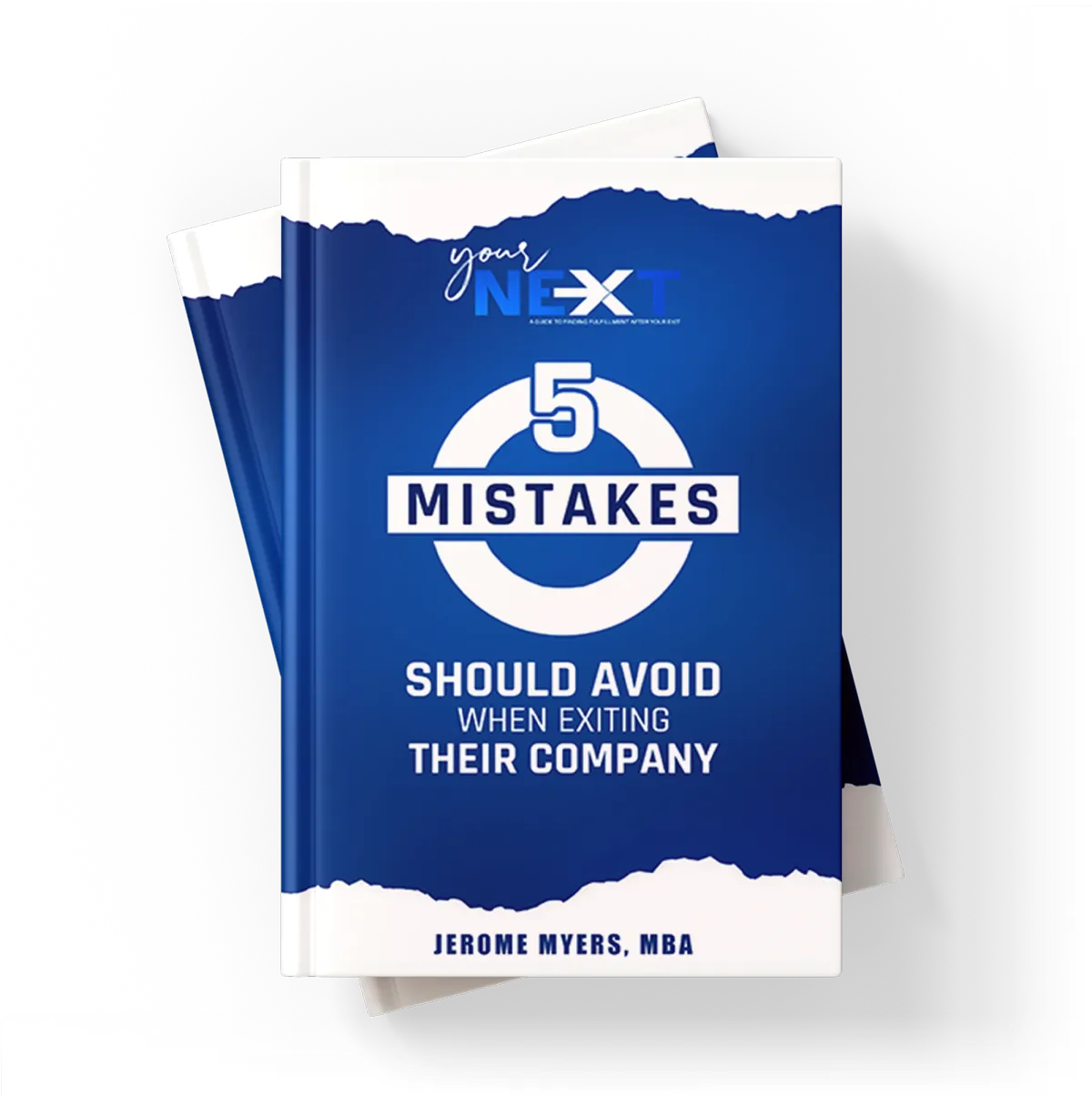
Discover common pitfalls founders face during exit and strategies to avoid them. Understand the Founder's Exit Paradox and apply these insights for a smoother transition, leading to a fulfilling, purpose-driven post-exit legacy.